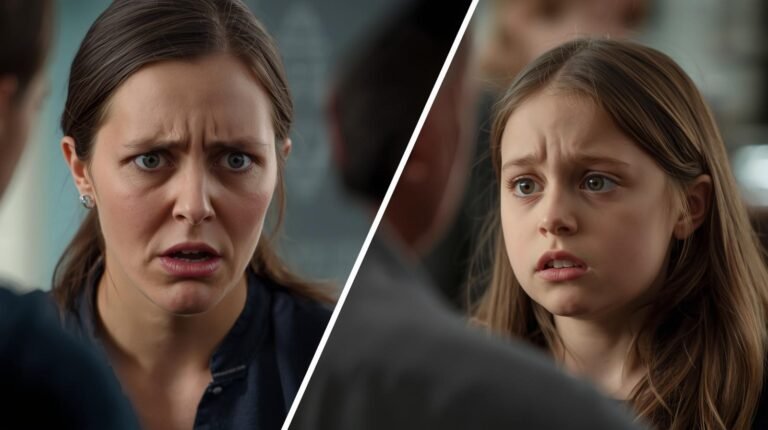
Words are funny things. They leave the mouth in seconds, but they can live inside a person for decades.
If you grew up hearing certain phrases on repeat — “You’re too sensitive,” “Why can’t you be more like your sister?” or the classic, stonewalling “Because I said so” — you might have carried those words into adulthood without ever questioning where they came from. Or maybe you’re now a parent yourself, wondering whether something you just said landed a little wrong.
Either way, you’re in the right place. Let’s talk about the toxic things parents say to their children — not to shame anyone, but because naming these phrases is often the first step to breaking the cycle.
What Are Toxic Things Parents Say to Their Children?
The term “toxic parenting phrases” gets thrown around a lot, but it’s worth being precise. Toxic language in parenting isn’t always dramatic. It’s rarely a villain monologue. More often, it’s subtle — dismissive, comparative, or conditional — and it can come from parents who genuinely love their kids but haven’t examined their own emotional habits.
Here are some of the most common toxic phrases parents should avoid, along with why they sting so much:
1. “You’re so stupid / lazy / useless.”
Name-calling — even said in frustration — teaches children that their character is flawed, not just their behaviour. There’s a big difference between “that was a careless mistake” and “you’re so careless.” One addresses an action. The other labels a person.
2. “Why can’t you be more like [sibling/cousin/friend]?”
Comparison is a quiet killer of self-worth. This phrase tells a child they are fundamentally less than someone else, rather than helping them grow into themselves. It breeds resentment — towards the sibling, and eventually, towards the parent.
3. “I do everything for you and this is how you repay me?”
This one leans into guilt. Hard. Children aren’t equipped to manage adult-level emotional debt, and placing that weight on them creates anxiety, a sense of unworthiness, and a habit of emotional over-responsibility that many adults spend years unravelling in therapy.
4. “You’re too sensitive.”
When a child cries, feels hurt, or expresses emotion — and is told they’re “too much” for it — they learn that their emotions are a problem. Cue a lifetime of suppression, people-pleasing, and not quite trusting their own feelings. Sound familiar?
5. “I wish you’d never been born” / “You ruined my life.”
These fall squarely into emotionally abusive phrases from parents. They may be said in a moment of rage, but they leave permanent marks. A child cannot unhear them.
6. “Because I said so.”
Ah, the classic. While it might seem like a harmless way to shut down an argument, it consistently used tells children that their questions and reasoning don’t matter. It models authority without explanation, and some experts argue it actually undermines a child’s ability to develop critical thinking and trust their own instincts.
7. “You’ll never amount to anything.”
Possibly one of the most damaging hurtful things parents say to kids, this phrase becomes a script children play in their own heads long into adulthood. Research in developmental psychology consistently links harsh parental criticism to lower self-efficacy in adult life.
8. “Stop crying or I’ll give you something to cry about.”
This teaches children that expressing distress is dangerous — and that the appropriate response to pain is suppression. Not exactly a great foundation for emotional health.
Why Do Some Parent Phrases Harm a Child’s Self-Esteem?
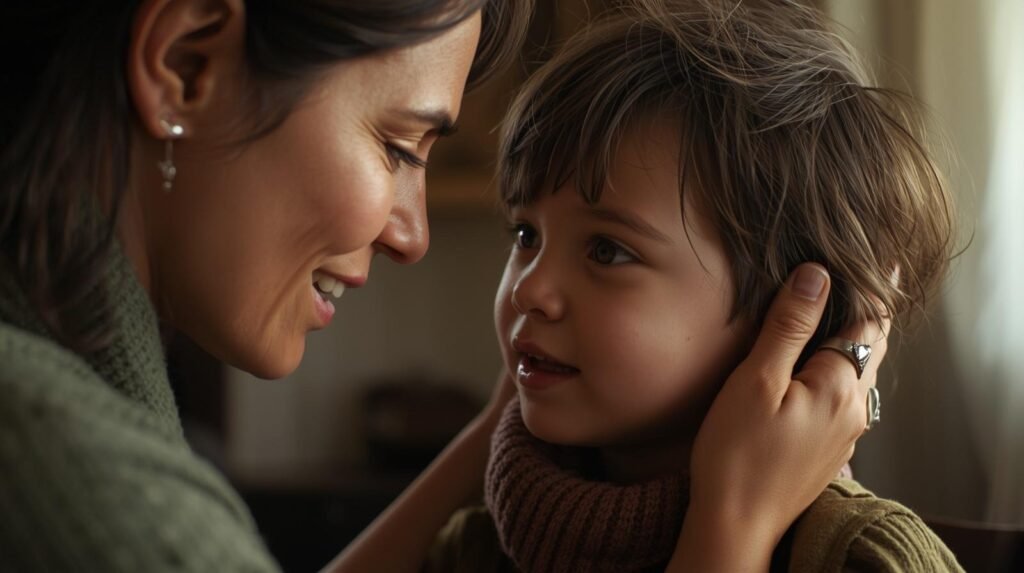
It comes down to one simple truth: children believe what their caregivers tell them about themselves. Parents are, quite literally, a child’s first mirror. When that mirror reflects inadequacy, shame, or conditional love — children internalise it as fact.
Dr. Becky Kennedy, clinical psychologist and author of Good Inside, puts it this way: children don’t think “my parent is wrong about me.” They think “there must be something wrong with me.” That’s the cognitive reality of childhood — and it’s why parental verbal abuse or even regularly careless language can be so lasting.
It also matters how often these things are said. A one-off comment during an unusually stressful day is different from a pattern. But patterns are often exactly what we’re talking about.
How Can You Tell Whether a Parent’s Words Are Toxic or Just Strict?
This is where it gets nuanced — and important.
Strict parenting sets clear expectations and holds children to them. It might feel tough in the moment, but it’s ultimately about structure and safety.
Toxic parenting shames, belittles, or destabilises a child’s sense of self. It uses emotion as a weapon. It withdraws love as a punishment.
Here’s a rough guide:
| Strict (firm but fair) | Toxic (harmful) |
| “You need to finish your homework before TV.” | “You’re so lazy, you’ll never do anything right.” |
| “That behaviour wasn’t acceptable.” | “You always embarrass me.” |
| “I’m disappointed in what you did.” | “You’re a disappointment.” |
| “We need to talk about your attitude.” | “Nobody will ever love you if you act like this.” |
The key difference? Strict parenting targets behaviours. Toxic parenting targets personhood.
Are Sarcastic or Joking Comments From Parents Still Harmful?
Short answer: yes. Absolutely yes.
“Oh great, another disaster from you” said with a laugh is still a message received loud and clear. Children often don’t have the emotional sophistication to separate “this is a joke” from “this is how they see me.” Particularly in the pre-teen years.
The harm isn’t always intentional. But intent and impact are two very different things — and impact is what children carry.
Can Harmful Things Said in Childhood Affect Adulthood?
They absolutely can, and the research backs this up strongly.
Childhood emotional abuse — including verbal abuse, persistent shame, and emotional neglect — has been linked to:
- Anxiety and depression in adulthood
- Low self-esteem and difficulty self-advocating
- People-pleasing tendencies and poor boundary-setting
- Relationship difficulties, including repeating unhealthy patterns
- Imposter syndrome, even in highly successful people
- Difficulty trusting one’s own emotions and perceptions
A study published in the Journal of Child Abuse & Neglect found that emotional abuse in childhood was associated with higher rates of PTSD, depression, and relational disturbance in adults — sometimes even more strongly than physical abuse, because it’s so much harder to name and validate.
So if you’ve ever thought “it wasn’t that bad” and yet something still feels off — that’s worth paying attention to.

How Do Toxic Comments From Parents Affect Mental Health?
Toxic parenting phrases don’t just sting in the moment. Over time, they shape the internal narrative — the voice inside your head that decides whether you’re worthy, capable, or loveable.
For many adults, that inner critic sounds uncannily like a parent.
Common mental health effects include:
- Chronic self-doubt — second-guessing every decision
- Emotional dysregulation — big reactions that feel disproportionate to others
- Hypervigilance — always waiting for something to go wrong
- Difficulty receiving compliments — deflecting praise or disbelieving it
- Fawning behaviour — prioritising everyone else’s comfort over your own
Recognising these patterns is not about blaming parents — it’s about understanding the origin of patterns so you can decide whether to keep them.
What Should Parents Say Instead of Toxic Phrases?
Good news: language can be unlearned and relearned. Here are some straightforward swaps:
| Instead of this… | Try this… |
| “You’re so stupid.” | “Let’s figure out where this went wrong together.” |
| “Stop crying.” | “I can see you’re upset. I’m here.” |
| “Why can’t you be more like your sister?” | “I know you can do this in your own way.” |
| “Because I said so.” | “I’ll explain my reasoning when we’re both calm.” |
| “You’re too sensitive.” | “Your feelings make sense. Let’s talk about it.” |
| “I do everything for you.” | “I’m feeling overwhelmed right now. Let me take a breath.” |
Notice none of these are about being soft or avoiding difficulty. They’re about separating the child from the behaviour — and modelling emotional awareness, which is one of the most valuable things a parent can do.
What Should an Adult Child Do If They Grew Up Hearing Hurtful Phrases?
First: acknowledge that what you experienced was real, and that it affected you. That sounds simple, but for many people who grew up in households where “we don’t talk about feelings,” it’s genuinely hard.
A few steps that can help:
- Name it. Identify the specific phrases you heard, and notice how they show up in your self-talk now.
- Journal. Writing is one of the most powerful ways to process experiences that were never fully acknowledged.
- Talk to someone. A trusted friend, a support group, or a therapist.
- Set boundaries. If the behaviour is ongoing, you are allowed to limit contact or have direct conversations about it.
- Consider therapy. Particularly if these patterns are affecting your relationships, work, or mental health significantly.
When Should Someone Seek Therapy for Childhood Emotional Abuse?
There’s no perfect checklist, but here are some signals worth listening to:
- You struggle with persistent low self-worth that doesn’t match your external circumstances
- You feel chronically anxious or depressed without a clear present-day cause
- You find yourself repeating relationship patterns you don’t want
- You feel detached from your emotions, or overwhelmed by them
- You freeze up when someone is critical of you — even mildly
- You still feel controlled, afraid of, or desperate to please a parent
Therapy — particularly CBT (cognitive behavioural therapy), EMDR, or trauma-informed counselling — can be genuinely life-changing for people processing childhood emotional abuse. In the UK, you can self-refer to NHS Talking Therapies, or explore private therapy through the BACP directory at bacp.co.uk.
You don’t have to have had a “bad enough” childhood to deserve support. If it hurt you, that’s enough.
How Can Parents Stop Repeating Toxic Language?
The uncomfortable truth? Most parents who use harmful language heard it first. Generational cycles are real — and breaking them takes deliberate, ongoing effort.
Some practical ways to start:
- Pause before reacting. Anger is a signal, not a command. Give yourself ten seconds.
- Repair quickly. If you say something hurtful, come back and address it. “I said something unkind earlier. I’m sorry. That wasn’t fair to you.”
- Seek your own support. Parenting is hard. Therapy, parenting courses, and honest conversations with other parents can all help.
- Learn about emotional regulation — both yours and your child’s.
- Read widely. Books like How to Talk So Kids Will Listen & Listen So Kids Will Talk by Adele Faber and Elaine Mazlish remain brilliant, practical guides.
Breaking the cycle is not about being a perfect parent. It’s about being a repairing one.
Final Thoughts: Words That Shape Worlds
Here’s the thing — most parents don’t set out to harm their children. Most are doing their best with the emotional tools they were given. But “doing your best” can still leave marks, and examining those marks is a sign of strength, not weakness.
Whether you’re an adult processing what you heard growing up, or a parent who cringed recognising a phrase you’ve used — you’re already doing something important. You’re paying attention.
Words matter. The ones spoken to children matter enormously. And it’s never too late — for healing, for change, or for a different kind of conversation.
Have any of these phrases hit close to home? Whether you’re navigating your own childhood experiences or trying to parent differently — you’re not alone. Consider speaking to a qualified counsellor if you need support. The BACP directory (bacp.co.uk) is a great starting point in the UK.