

Here’s something I’ve learned from countless conversations with people over the past few years: isolation doesn’t announce itself with fanfare. It creeps in quietly, like fog rolling through your life, and before you know it, everything feels different. Your thoughts are hazier. Your mood dips without warning. And that sofa you’re sitting on? It’s become both your sanctuary and your prison.
Let me be straight with you—isolation affects your mental health in ways that are profoundly real and surprisingly complex. Whether you’ve chosen solitude, had it thrust upon you by circumstances, or are somewhere in between, understanding what’s happening inside your mind (and body) matters more than you might think.
How Does Social Isolation Affect Mental Health in Adults?
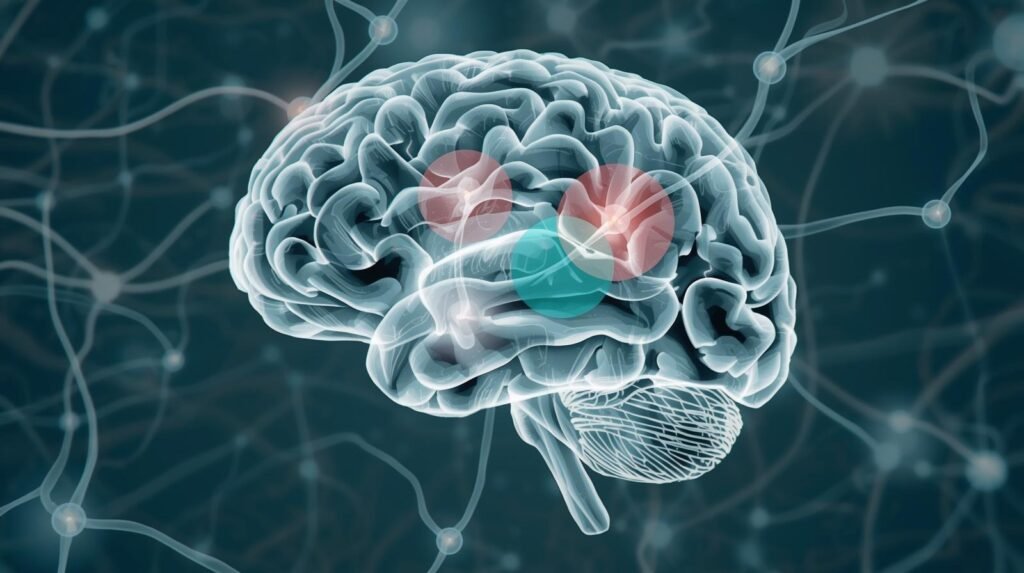
Social isolation in adults isn’t just about feeling a bit lonely on a rainy Tuesday. It’s a genuine health concern that researchers have been studying with increasing alarm. When you’re isolated, your brain literally changes. Studies show that prolonged isolation can shrink the hippocampus—that’s the part of your brain responsible for memory and emotional regulation. Fascinating and terrifying in equal measure, isn’t it?
Adults who experience extended periods of isolation face significantly higher risks of depression, anxiety, and even cognitive decline. Your mental health depends on social connection in much the same way your body depends on nutrition. Strip away regular human interaction, and your psychological immune system weakens.
Think about it this way: we’re wired for connection. Our ancestors survived because they formed tribes, not because they holed up in caves alone. When modern life forces us into solitude—whether through remote work, relationship breakdowns, or health concerns—we’re fighting against millennia of evolutionary programming.
How Isolation Affects Brain Health
The impact of isolation on your brain is more than metaphorical. Neuroimaging studies reveal that chronic isolation can alter grey matter volume, particularly in regions associated with emotional processing and social cognition. Your prefrontal cortex—the bit that helps you make decisions and regulate emotions—becomes less efficient.
What’s happening is that your brain, sensing a lack of social stimulation, essentially goes into power-saving mode. Neural pathways that facilitate social interaction get pruned back, making it progressively harder to engage with others even when opportunities arise. It’s a vicious cycle: isolation makes socializing difficult, which makes you avoid it, which makes isolation worse.
What Are the Signs That Isolation Is Harming My Mental Health?
Recognizing the warning signs early can make all the difference. I’ve seen people dismiss these symptoms as “just having an off week,” only to realize months later that something more serious was brewing.
Look out for these red flags:
- Persistent low mood that doesn’t lift, even on days when nothing particularly bad happens
- Changes in sleep patterns—either sleeping far too much or struggling with insomnia
- Loss of interest in activities you once enjoyed (yes, even that Netflix series you were obsessed with)
- Difficulty concentrating or making simple decisions
- Physical symptoms like headaches, digestive issues, or unexplained aches
- Irritability or mood swings that seem disproportionate to triggers
- Neglecting personal care—when showering feels like climbing Everest
- Distorted thinking patterns, such as catastrophizing or all-or-nothing thoughts
- Withdrawal from the few social connections you do have
Signs of Isolation Depression
Isolation depression has a particular flavor to it. Unlike depression triggered by specific events, this variety often feels formless—a grey blanket over everything without a clear cause. You might find yourself thinking, “I should feel fine; nothing terrible has happened,” which only adds guilt to the emotional cocktail.
Common manifestations include emotional numbness (feeling nothing rather than feeling sad), a sense of unreality about your life, and difficulty imagining a future where things feel different. Some people describe it as living behind glass—you can see the world, but you can’t quite touch it.
Can Isolation Cause Depression or Anxiety, or Both?
Short answer? Yes, yes, and absolutely yes.
Isolation is like fertilizer for mental health conditions. It can trigger depression in people who’ve never experienced it before, worsen existing depressive symptoms, and spark anxiety that ranges from mild unease to full-blown panic attacks. Often, you’ll find yourself dealing with an unpleasant combo of both.
Anxiety from social isolation manifests in particularly cruel ways. You might develop social anxiety because you’ve been isolated—your brain forgets how to interpret social cues, so interactions feel threatening. Or you might experience generalized anxiety as your mind, starved of external stimulation, turns inward and starts creating problems to solve.
The relationship between isolation, depression, and anxiety isn’t one-directional. Sometimes isolation causes these conditions. Sometimes these conditions cause isolation. And sometimes—most maddeningly—they feed each other in an exhausting loop.
How Long Does It Typically Take for Isolation to Impact Mood?
There’s no universal timer, unfortunately. Some people feel the effects within days, while others might sail through weeks before hitting a wall.
Generally speaking, most people notice mood changes within two to three weeks of significant isolation. However, several factors influence this timeline:
- Your baseline mental health
- Whether the isolation is voluntary or imposed
- Your personality type (introverts typically fare better initially)
- Access to digital connections
- Physical health and sleep quality
- Whether you maintain routines and structure
What’s crucial to understand is that isolation sleep disturbances often appear early and can accelerate other symptoms. When your sleep-wake cycle gets disrupted—which isolation loves to do—everything else deteriorates faster.

Are There Differences in Isolation Effects Between Age Groups?
Absolutely. Age matters enormously when it comes to how isolation affects mental health.
Impact of Isolation on Children
Children and young people face unique vulnerabilities. Their brains are still developing, and social interaction isn’t just pleasant—it’s essential for learning emotional regulation, communication skills, and identity formation. Extended isolation during formative years can lead to developmental delays, increased anxiety, and difficulties forming relationships later in life.
Kids who experience isolation may struggle with:
- Emotional regulation (bigger tantrums, more intense mood swings)
- Language and social skill development
- Separation anxiety when isolation ends
- Academic performance
- Self-esteem and confidence
Teenagers
For teens, isolation hits differently again. Adolescence is all about peer relationships and identity exploration. Cut that off, and you’re interfering with critical developmental tasks. Teen isolation often manifests as irritability, risk-taking behavior, or excessive screen time that substitutes for real connection.
Adults
We’ve covered adults, but it’s worth noting that reducing isolation in adulthood often requires conscious effort because adult life doesn’t automatically provide the social structures that school or university did. You have to build and maintain connections deliberately.
Seniors
Older adults face perhaps the highest risk. Physical limitations, bereavement, and reduced mobility can create isolation that’s difficult to escape. For seniors, isolation correlates strongly with cognitive decline, increased dementia risk, and higher mortality rates. The mental health impact compounds physical health problems, creating a dangerous spiral.
What Coping Strategies Help Reduce the Mental Health Impact of Isolation?
Right, let’s get practical. Knowing the problem is one thing; dealing with it is another.
How to Cope with Isolation at Home
Maintain structure religiously. I cannot stress this enough. When external structure disappears, you must create it yourself. Wake up at the same time. Get dressed (yes, proper clothes, not pyjamas). Establish routines for meals, work, exercise, and relaxation. How to maintain routines during isolation becomes your lifeline.
- Move your body. Exercise isn’t just about fitness; it’s medication for your mind. Even a 15-minute walk or some stretching can shift your neurochemistry significantly.
- Limit news consumption. Stay informed, but don’t marinate in negativity all day. Choose specific times to check news, then step away.
- Create zones. If you’re stuck at home, designate different areas for different activities. Don’t let your bedroom become your office, kitchen, gym, and entertainment center. Your brain needs spatial cues.
- Pursue meaningful activities. Engage with projects that give you purpose—learning skills, creative pursuits, volunteering online, whatever makes you feel productive and valuable.
- Practice mindfulness or meditation. These aren’t just wellness buzzwords. They’re proven techniques for managing anxiety and preventing your thoughts from spiraling.
Digital Connection Mental Health
Can technology mitigate the effects of isolation? Yes, but with caveats. Video calls are significantly better than nothing—they provide visual cues and a sense of presence that texts can’t match. However, they’re not a complete substitute for in-person interaction.
Best practices for digital connection:
- Schedule regular video calls with friends and family
- Join online communities around your interests
- Consider virtual therapy or support groups
- Be intentional—don’t let passive scrolling replace active connection
- Watch for signs that screen time is making you feel worse rather than better
Balance is key. Technology should supplement connection, not replace all human contact or become a numbing escape.
How Can I Tell if Isolation Is a Symptom of an Underlying Mental Health Disorder?
This is where things get tricky. Sometimes isolation causes mental health problems. Sometimes mental health problems cause isolation. And sometimes you’re dealing with a pre-existing condition that isolation has unmasked or worsened.
Warning signs that something deeper might be going on:
- You were isolating before external circumstances forced it
- Opportunities to connect feel genuinely threatening, not just uncomfortable
- You have persistent thoughts of worthlessness or hopelessness
- You’re experiencing paranoia or intrusive thoughts
- Physical symptoms are severe (significant weight changes, chronic pain, etc.)
- You’re engaging in harmful behaviors (substance abuse, self-harm)
Conditions like depression, social anxiety disorder, agoraphobia, and PTSD can all drive isolation while also being worsened by it. Isolation and PTSD risk is particularly concerning—trauma survivors often isolate, which then prevents the processing and healing that social support facilitates.
If you’re wondering whether your isolation is cause or effect, seeking professional assessment is wise. A mental health professional can help untangle this knot.
What Role Does Sleep Play in the Mental Health Effects of Isolation?
Sleep is where isolation often lands its first punch. Your circadian rhythm—that internal clock regulating sleep-wake cycles—depends partly on social cues and regular schedules. Strip those away, and chaos ensues.
Isolation sleep disturbances typically include:
- Difficulty falling asleep despite feeling exhausted
- Waking multiple times during the night
- Sleeping far too much (hypersomnia) as an escape mechanism
- Bizarre sleep schedules (awake all night, sleeping all day)
- Poor sleep quality even when you’re getting enough hours
Poor sleep then amplifies every other mental health challenge. Your emotional regulation weakens. Your anxiety increases. Your ability to cope with stress plummets. It’s like trying to navigate life with a significant handicap.
Protecting your sleep during isolation:
- Maintain consistent sleep and wake times (even weekends)
- Get natural light exposure, especially in the morning
- Avoid screens for an hour before bed
- Keep your bedroom cool, dark, and reserved for sleep
- Limit caffeine and alcohol
- Exercise earlier in the day, not close to bedtime
Loneliness vs Isolation: Understanding the Difference
Here’s a distinction that matters more than you might think: loneliness vs isolation aren’t the same thing, and they don’t always go hand-in-hand.
Isolation is objective—it’s about the actual quantity and frequency of social contact. You can measure it: How many people do you interact with? How often do you leave home?
Loneliness is subjective—it’s about feeling disconnected regardless of how many people surround you. You can be isolated without feeling lonely (some people love solitude), and you can feel profoundly lonely in a crowded room.
In terms of mental health outcomes, loneliness often proves more damaging than isolation alone. The perception of disconnection, the feeling that no one truly understands or cares, can be devastating even when you’re regularly interacting with others.
Understanding this distinction helps you address the right problem. If you’re isolated but not lonely, increasing social contact might not be necessary—though you should still monitor for negative effects. If you’re lonely despite regular interaction, you need to focus on connection quality, not quantity.
What Lifestyle Changes Can Reduce the Mental Health Risks of Isolation?
Beyond coping strategies, certain lifestyle adjustments can serve as protective factors:
- Nutrition matters. I know it’s tempting to survive on toast and tea, but your brain needs fuel to function properly. Omega-3 fatty acids, B vitamins, vitamin D, and magnesium all play roles in mental health. Aim for a balanced diet with plenty of vegetables, whole grains, and protein.
- Limit alcohol and avoid recreational drugs. Both might seem like they help in the moment, but they’re depressants that worsen mood over time and disrupt sleep.
- Cultivate purpose. Engage in activities that feel meaningful, whether that’s work, volunteering, creative projects, or caring for others (even a plant counts).
- Connect with nature. If possible, spend time outdoors. Nature exposure has documented benefits for mental health, reducing stress and improving mood.
- Practice gratitude. Yes, it sounds cliché, but regularly acknowledging things you’re grateful for can genuinely shift your perspective and buffer against depression.
Effects of Isolation on Immune Health
Here’s something most people don’t realize: isolation doesn’t just affect your mind—it weakens your immune system. Chronic loneliness and isolation trigger inflammation and stress responses that compromise immune function. You become more susceptible to illness, which can then cause more isolation. Your body and mind are interconnected in ways that isolation disrupts across the board.
Are There Risk Factors That Make Some People More Vulnerable?
Yes. While anyone can be affected by isolation, certain factors increase vulnerability:
- Pre-existing mental health conditions (depression, anxiety, PTSD)
- History of trauma or adverse childhood experiences
- Chronic physical health problems
- Limited financial resources (reducing ability to access help or activities)
- Living alone without nearby family or friends
- Lack of transportation or mobility issues
- Recent major life changes (bereavement, divorce, relocation)
- Personality traits like high neuroticism or low extraversion
- Poor digital literacy (especially in older adults)
- Stigma or cultural factors that discourage seeking help
If several of these apply to you, vigilance about isolation’s effects becomes even more important.
How Can I Safely Reconnect with Others If I Feel Anxious About Socializing?
After extended isolation, the prospect of reconnecting can feel overwhelming. Your skills are rusty, your confidence is shot, and frankly, people seem a bit scary. This is normal.
Start small. Don’t jump straight into a dinner party with twelve people. Begin with brief, low-stakes interactions:
- Text conversations that you can manage at your own pace
- Phone calls with one trusted person
- Brief video chats
- Outdoor walks with a friend (easier than face-to-face sitting)
- Small group activities with clear structure (book clubs, classes)
Prepare yourself. Before social situations, practice what you’ll say. Have conversation topics ready. Remind yourself that everyone feels awkward sometimes, and most people are more focused on their own insecurities than judging you.
Use gradual exposure. This is a principle from anxiety treatment—you slowly, systematically expose yourself to feared situations, building tolerance and confidence. Each successful interaction makes the next one easier.
Be honest. If you trust the person, it’s okay to say, “I’ve been isolated for a while, and I’m a bit out of practice with socializing.” Most people will respond with understanding and patience.
Celebrate small wins. You managed a ten-minute conversation? That’s progress. You went to a café? Victory. Don’t dismiss these achievements.
CBT for Isolation and Social Anxiety
Cognitive Behavioral Therapy (CBT) is particularly effective for anxiety around socializing after isolation. CBT helps you identify unhelpful thought patterns (like “Everyone will judge me” or “I’ll definitely say something stupid”) and replace them with more balanced, realistic thoughts. Combined with behavioral experiments—testing your fears in real situations—CBT can significantly reduce social anxiety.
What Kinds of Professional Help Are Most Effective for Isolation-Related Mental Health Issues?
If isolation has seriously impacted your mental health, professional support can be transformative. Don’t tough it out alone when effective help exists.
Evidence-Based Therapies for Isolation-Related Mental Health Problems
- Cognitive Behavioral Therapy (CBT) works by addressing the thoughts and behaviors maintaining your difficulties. For isolation-related issues, CBT might focus on challenging negative automatic thoughts, developing coping skills, and gradually increasing social activity.
- Acceptance and Commitment Therapy (ACT) helps you accept difficult emotions while committing to value-driven actions. It’s particularly useful when isolation has created a gap between how you want to live and how you’re actually living.
- Interpersonal Therapy (IPT) focuses specifically on relationship issues and social functioning—highly relevant for isolation-related problems.
- Group therapy offers a unique benefit: you’re addressing isolation while experiencing connection with others facing similar challenges. It’s both treatment and antidote.
- Medication may be appropriate if you’ve developed depression or anxiety. Antidepressants don’t cure isolation, but they can lift mood enough that you have energy to work on reconnecting.
How to access help:
- Your GP is an excellent starting point for NHS mental health services
- Self-referral to local IAPT (Improving Access to Psychological Therapies) services
- Private therapists if you can afford them (check they’re registered with BACP or UKCP)
- Crisis services if you’re in immediate distress (Samaritans: 116 123)
- Online therapy platforms for flexibility
How Do Family Dynamics Influence the Mental Health Impact of Isolation?
Family can be either a buffer against isolation’s effects or an amplifier of them—sometimes both simultaneously.
Protective family factors:
- Regular, meaningful communication
- Emotional support and validation
- Practical assistance
- Shared activities and traditions
- Healthy boundaries and respect
Risk-increasing family factors:
- Conflict or criticism
- Dismissal of mental health concerns
- Enmeshment (too little independence)
- Complete disconnection
- Unrealistic expectations
Living with family doesn’t automatically prevent isolation. You can feel profoundly isolated within your own household if relationships are strained or superficial. Conversely, living alone doesn’t guarantee isolation if you maintain strong connections with family members through regular contact.
How Can I Support a Loved One Who Is Isolated and Struggling Mentally?
This is crucial, so pay attention.
How to Talk to Someone Who Is Isolated
- Reach out consistently. Don’t wait for them to contact you—isolation makes that increasingly difficult. Regular check-ins, even brief ones, show you care and maintain connection.
- Listen without judgment. When they do talk, resist the urge to immediately problem-solve or minimize their feelings. Sometimes people need to be heard before they can hear advice.
- Validate their experience. “That sounds really difficult” or “I can understand why you’d feel that way” goes a long way.
- Offer specific, practical help. “What can I do?” is well-meaning but vague. Try “I’m going to the shop—can I pick anything up for you?” or “Would you like to join me for a walk on Saturday at 2pm?”
- Be patient. Recovery from isolation isn’t linear. They might cancel plans, seem ungrateful, or push you away. Don’t take it personally. Keep showing up.
- Encourage professional help gently. If you’re concerned, express it: “I’ve noticed you seem really down lately, and I’m worried. Have you thought about talking to someone?” Offer to help them find resources or even accompany them to appointments.
- Respect boundaries while maintaining connection. If they need space, give it—but let them know you’re still there and will check in again soon.
- Look after yourself too. Supporting someone through mental health struggles is emotionally taxing. You can’t pour from an empty cup.
What Community Resources or Programs Help Reduce Isolation?
The UK has various resources designed to combat isolation, though availability varies by area.
Community Programs to Reduce Isolation
Local charities and voluntary organizations often run befriending schemes, social groups, and activities specifically for isolated individuals. Age UK, Mind, and Rethink Mental Illness all have local branches with programs.
- Social prescribing through your GP can connect you with community activities, volunteer opportunities, exercise programs, and support groups.
- Libraries frequently host reading groups, digital skills classes, and social events—and they’re free, warm spaces where you can be around others without pressure to interact.
- Community centers offer classes, activities, and drop-in sessions covering everything from arts and crafts to exercise.
- Faith communities provide connection for those who are religious or spiritual, with many also offering support regardless of belief.
- Online platforms like Meetup.com can help you find local groups based on interests.
- Volunteering is a powerful way to connect while contributing something meaningful. Whether it’s at a charity shop, food bank, or environmental project, you’ll meet people and gain purpose.
- Walking groups and parkrun events offer physical activity with built-in social opportunity.
The trick is taking that first step. Research options online, make a phone call, or ask your GP about social prescribing. Starting feels insurmountable, but once you’re through the door, it gets easier.
How Can I Assess Whether My Mental Health Is Improving After Starting to Reconnect?
Progress isn’t always obvious when you’re in the middle of it. Here are signs you’re moving in the right direction:
Mood improvements:
- More good days than bad days
- Increased enjoyment in activities
- Easier to get out of bed in the morning
- Laughter comes more naturally
Sleep normalization:
- Falling asleep more easily
- Sleeping through the night more often
- Feeling more rested upon waking
Cognitive changes:
- Better concentration
- Easier decision-making
- Less rumination on negative thoughts
- More hope about the future
Behavioral shifts:
- Looking forward to social plans rather than dreading them
- Taking initiative to contact others
- Maintaining self-care routines
- Engaging in activities beyond bare necessities
Physical wellbeing:
- More energy
- Fewer stress-related symptoms
- Better appetite regulation
Track these markers over weeks and months, not days. Mental health recovery is gradual, with setbacks along the way. Two steps forward, one step back is still progress.
If you’re not seeing improvement after several weeks of effort, or if things are worsening, that’s important feedback. It might mean you need additional support, a different approach, or professional help.
Moving Forward: Your Action Plan
Look, I’m not going to pretend that recovering from isolation is easy or quick. It’s not. It’s uncomfortable, it requires effort when you have no energy, and it often feels like you’re dragging yourself through mud.
But here’s what I know to be true: you’re not broken, you’re not weak, and you’re not alone in struggling with this. Isolation affects mental health profoundly because we’re fundamentally social creatures. Fighting against that is hard work.
Start where you are. Not where you think you should be, not where you used to be—right here, right now. Pick one small action:
- Send that text you’ve been putting off
- Take a walk outside today
- Establish one routine to anchor your day
- Research one therapy option
- Attend one community event
One action. Then another. Then another.
Your mental health matters. You matter. And while isolation might have changed you, it doesn’t have to define you.
If you’re reading this and recognizing yourself in these descriptions, please reach out—to a friend, a family member, a GP, a helpline. The hardest part is often just beginning. But on the other side of that difficulty lies connection, meaning, and a life that feels worth living again.
You’ve got this. And if you don’t quite believe that yet, borrow my belief until yours returns.
If you or someone you know is in crisis:
- Samaritans: 116 123 (24/7)
- NHS Mental Health Crisis Line: Check your local NHS trust
- Shout Crisis Text Line: Text “SHOUT” to 85258
- Emergency: 999 or go to A&E
This article provides information and support but is not a substitute for professional medical advice. Always consult a healthcare provider for personalized mental health guidance.