
How healing your inner child transforms the way you show up for your own kids
I’ll never forget the moment I caught myself mid-sentence, about to say the exact words my own mother used to throw at me when I was seven. You know those words—the ones that stung then and still echo now? My daughter looked up at me with those wide, trusting eyes, and something inside me just… broke. Or maybe it finally started to heal.
Here’s the thing about parenting: it doesn’t come with a manual, but it does come with baggage. We carry our childhood experiences like invisible backpacks, stuffed with every moment our parents got it right and every moment they didn’t. And whether we like it or not, we’re constantly unpacking that baggage in front of our own children.
Becoming the parent you needed as a child isn’t about perfection. It’s not about erasing your past or pretending your childhood was either entirely brilliant or completely awful. It’s about looking honestly at what you missed, what you craved, and what you deserved—then choosing, consciously and deliberately, to give that to yourself and your kids.
This is your invitation to break the cycle. Not with judgment, but with compassion. Not with blame, but with awareness.

What Does It Actually Mean to Become the Parent You Needed?
Let’s cut through the therapy-speak for a moment. Becoming the parent you needed as a child means recognising the gaps in your own upbringing and intentionally filling them—both for yourself and for your children. It’s about emotional healing for parents who’ve carried wounds they didn’t ask for.
Maybe your parents were physically present but emotionally distant. Maybe they were critical when you needed encouragement. Maybe they set rigid rules but never explained the “why” behind them. Perhaps they were dealing with their own unresolved trauma and simply couldn’t give you what they never received themselves.
This isn’t about villainising your parents. Most of them did the best they could with what they had. But acknowledging what was missing? That’s where your power lives. That’s where change begins.
Here’s what this looks like in practice:
- If you needed validation: You learn to celebrate your children’s efforts, not just their achievements
- If you needed emotional safety: You create space for all feelings, even the messy ones
- If you needed consistency: You follow through on what you say, building trust brick by brick
- If you needed boundaries: You establish clear, loving limits that protect rather than punish
Identifying Your Unmet Childhood Needs (Without Falling Apart)
Right, so how do you actually figure out what you missed? Because let’s be honest—some of us have buried that stuff so deep, we’d need an archaeological dig to uncover it.
Your triggers are your teachers. Every time you overreact to something your child does, there’s information there. When your five-year-old throws a tantrum and you feel rage bubbling up that’s wildly disproportionate to the situation? That’s not really about the spilled juice. That’s about the part of you that was never allowed to have big feelings without consequences.
Questions to Ask Yourself:
- What situations with my children consistently trigger intense emotions in me?
- What did I long for as a child that I never received?
- What messages about myself did I internalise growing up? (e.g., “I’m too much,” “My needs don’t matter,” “I have to be perfect”)
- When do I feel like I’m “failing” as a parent, and what does that reveal about my own childhood standards?
- What did I vow I’d never do to my own children—and am I doing it anyway?
- Write these answers down. Don’t edit yourself. Let the uncomfortable truths surface. This is parenting with unresolved childhood trauma, and it requires brutal honesty paired with radical self-compassion.

Actionable Steps for Reparenting Yourself (Yes, You Read That Right)
You can’t pour from an empty cup—we’ve all heard that one. But here’s what they don’t tell you: you also can’t give your children something you’ve never experienced yourself. How to reparent your inner child as a parent isn’t some woo-woo concept. It’s practical, necessary work.
Reparenting Techniques for Adults:
1. Practice Self-Compassion (Not Self-Indulgence)
When you mess up—and you will—talk to yourself the way you’d talk to your best friend. “I’m human. I’m learning. I can repair this.” Practicing self-compassion as a parent means treating your mistakes as data, not disasters.
2. Meet Your Own Needs First
If you needed more play as a child, schedule it for yourself now. If you needed quiet time, protect it fiercely. If you needed encouragement, become your own cheerleader. This isn’t selfish. It’s modelling healthy self-care for your children.
3. Challenge Your Inner Critic
That voice telling you you’re not good enough? It probably sounds a lot like someone from your past. Thank it for trying to protect you, then firmly tell it you’re handling things differently now. Supporting children while healing your inner child means silencing the harsh voices so your kids never have to hear them.
4. Create New Neural Pathways
Mindful parenting practices for healing involve literally rewiring your brain. When you respond calmly instead of reactively, you’re building new patterns. It feels awkward at first, like learning to write with your non-dominant hand. Keep going.
5. Give Yourself What You Needed
Needed bedtime stories? Read them to yourself. Needed someone to witness your achievements? Celebrate yourself publicly. Needed unconditional acceptance? Look in the mirror and say, “I’m enough, exactly as I am.”
Breaking the Cycle: How to Avoid Repeating Unhealthy Patterns
The scariest moment of parenthood? Realising you’ve just replicated the exact behaviour you swore you’d never repeat. Strategies for breaking the cycle of trauma start with one powerful word: pause.
Between stimulus and response, there’s a space. In that space lies your power to choose differently. Your child spills milk. Instead of the automatic rage response you learned, you take three deep breaths. You notice the impulse. You choose differently.
The STOP Method for Overcoming Parenting Triggers:
S – Stop: Literally pause. Put your hand on your chest. Feel your feet on the ground.
T – Take a Breath: Three slow breaths. This isn’t hippie nonsense; it’s neuroscience. You’re activating your parasympathetic nervous system.
O – Observe: What am I feeling? Where is this coming from? Is this really about my child, or is this about me?
P – Proceed Mindfully: Choose your response based on your values, not your wounds.
Parenting after childhood abuse or neglect requires acknowledging that your baseline for “normal” might be skewed. What feels like appropriate discipline to you might actually be too harsh. What feels like enough attention might actually be neglect. This is where therapy, parenting groups, and trusted friends become essential reality checks.

Setting Healthy Boundaries When You Never Learned How
If you grew up in a home where boundaries were either non-existent or rigid as steel, setting healthy boundaries for children and self can feel like learning a foreign language at forty.
Here’s what healthy boundaries actually look like: they’re firm but flexible. They protect without punishing. They’re about teaching, not controlling. And crucially—they apply to everyone, including you.
| Unhealthy Boundaries | Healthy Boundaries |
| “Because I said so” with no explanation | “We don’t hit because it hurts people and breaks trust” |
| Changing rules based on mood | Consistent expectations with age-appropriate flexibility |
| Punishing emotions (“Stop crying or I’ll give you something to cry about”) | Validating feelings while limiting behavior (“You’re angry, and you can’t hit. Let’s find another way”) |
| No personal space or privacy respected | Knocking before entering, respecting “alone time” needs |
| Parent as dictator or parent as friend with no authority | Parent as loving guide with clear leadership |
Learning to set boundaries means learning to tolerate discomfort—both your child’s and your own. Your child will push back. They’ll test. They’ll be unhappy with you. And if you didn’t learn that you could survive someone’s displeasure as a child, this will feel excruciating.
But boundaries aren’t about being liked. They’re about being loving. And sometimes the most loving thing you can do is hold firm when it would be easier to cave.
The Role of Therapy in Healing Childhood Wounds
Let’s address the elephant in the room: can you do this work without professional help? Maybe. Should you try? Probably not.
Therapy isn’t a luxury when you’re dealing with unresolved trauma—it’s essential equipment for the journey. A good therapist helps you see patterns you can’t see yourself. They hold space for the grief of what you didn’t get. They challenge your distorted thinking gently enough that you can actually hear it.
What role does therapy play in healing childhood wounds as a parent? It’s the difference between constantly triggering your kids with your unprocessed pain and learning to process that pain before it reaches them. It’s the difference between passing down generational trauma and being the person who finally says, “This stops with me.”
Types of Therapy That Can Help:
- EMDR (Eye Movement Desensitisation and Reprocessing): Particularly effective for trauma
- Internal Family Systems (IFS): Excellent for inner child work
- Cognitive Behavioural Therapy (CBT): Helps identify and change thought patterns
- Attachment-focused therapy: Develops secure attachment as a parent
- Somatic therapy: Addresses trauma stored in the body
And here’s something they don’t tell you: going to therapy doesn’t mean you’re broken. It means you’re brave enough to admit you don’t have all the answers and wise enough to ask for help finding them.
Building Emotional Intelligence in Yourself and Your Children
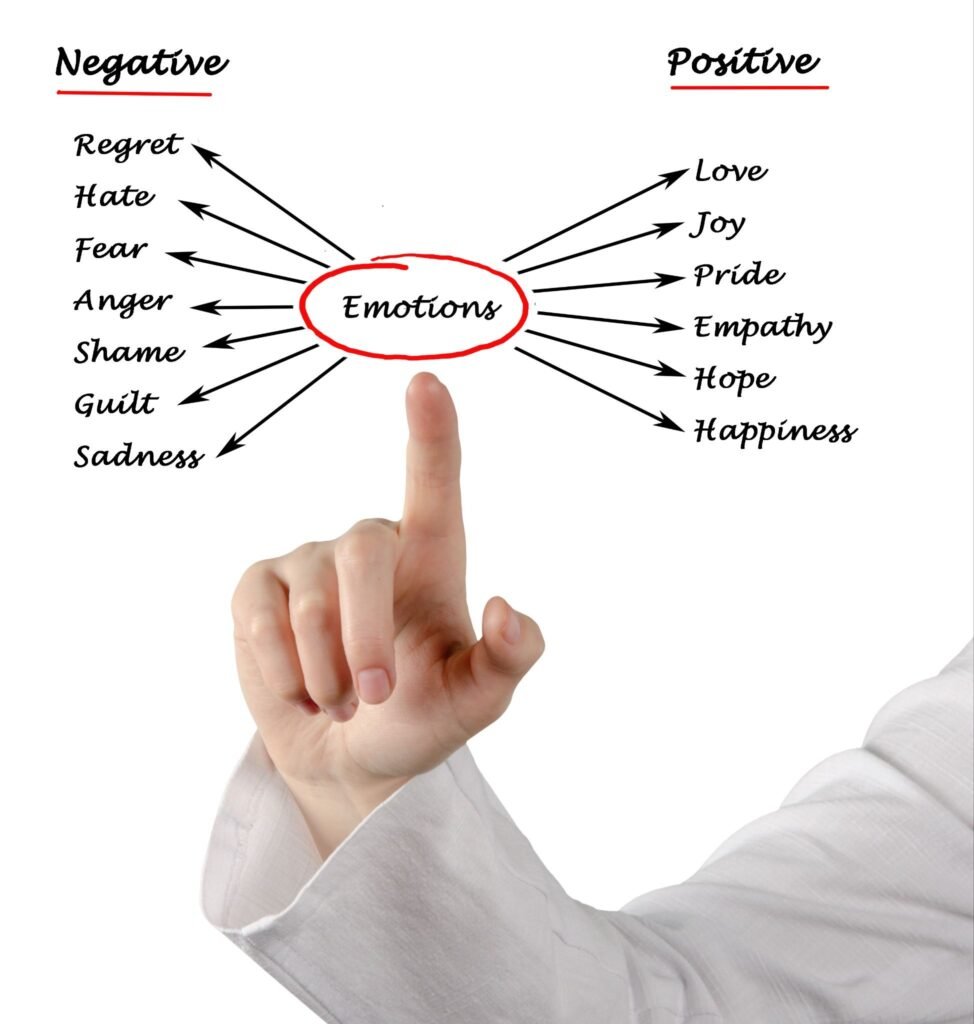
If your parents couldn’t name their own emotions, they certainly couldn’t teach you to name yours. Building emotional intelligence starts with expanding your vocabulary beyond “fine,” “good,” and “bad.”
Emotional intelligence isn’t about being nice all the time or never getting angry. It’s about recognising what you’re feeling, understanding why you’re feeling it, and choosing how to express it in ways that don’t harm yourself or others.
How to Develop This Skill:
For Yourself:
- Name your emotions throughout the day: “I’m feeling overwhelmed” not just “I’m stressed”
- Connect emotions to physical sensations: “Anxiety feels like tightness in my chest”
- Practice emotional granularity: Instead of “sad,” is it disappointment? Grief? Lonely?
For Your Children:
- Narrate their emotions: “You look frustrated that the tower keeps falling”
- Validate before redirecting: “You’re disappointed. And we still need to leave”
- Model emotional expression: “I feel irritated when… so I’m going to take some space”
- Create an emotion-friendly home: No feeling is bad; all behaviours aren’t acceptable
The gift you give your children when you build emotional intelligence isn’t that they’ll never struggle. It’s when they do struggle, they’ll have the tools to understand what’s happening inside them and the language to ask for what they need.
Can Reparenting Actually Break Generational Trauma?
Here’s the truth: yes, but not perfectly. And not without intentional, sustained effort.
Can reparenting help break generational trauma in families? Absolutely. Will you still mess up sometimes? Also absolutely. The difference is that when you’re doing this work consciously, you catch yourself faster, repair more quickly, and model for your children that making mistakes doesn’t mean you’re a failure—it means you’re human.
Breaking generational trauma isn’t about being perfect. It’s about being 10% better than the generation before you. Then your kids have the chance to be 10% better than you. Over generations, that compounds into real change.
What Breaking the Cycle Actually Looks Like:
- You yell at your kid, then apologise and explain what you’ll do differently next time
- You recognise a pattern from your childhood and actively choose a different response
- Your child comes to you with a problem because they trust you’ll listen, not lecture
- You can tolerate your child’s big emotions without needing to fix or stop them
- You’re honest about your limitations and ask for help when you need it
- Your children see you practising self-care and setting boundaries, learning by example
Building resilience in parenting means accepting that you won’t get it right every time. The goal isn’t perfection—it’s progress. It’s conscious parenting. It’s breaking the autopilot and choosing deliberately.
Coping with Parental Guilt (The Unwanted Gift That Keeps Giving)
Let’s talk about the guilt. Oh, the guilt. Coping with parental guilt from childhood wounds is its own special flavour of torture because you’re not just feeling guilty about your parenting—you’re feeling guilty about why your parenting is hard in the first place.
“If I’d just dealt with my issues before having kids…” “My children deserve better than a parent who’s still figuring out their own childhood…” Sound familiar?
Here’s what I need you to hear: your awareness of your wounds is already protecting your children. The parents who do the most damage are the ones who refuse to acknowledge there’s anything to heal. You’re reading this because you care enough to do better. That matters.
Reframing Guilt into Growth:
- Old thought: “I’m damaged and damaging my kids”
- New thought: “I’m healing, and that healing benefits my entire family”
- Old thought: “I should have done this work before becoming a parent”
- New thought: “There’s no perfect time; I’m doing the work now, and that’s what counts”
- Old thought: “My kids are suffering because of my issues”
- New thought: “My kids are learning that growth is possible and healing is real”
Guilt is only useful if it motivates change. Otherwise, it’s just self-punishment that doesn’t help anyone—least of all your children.
Resources for Reparenting and Inner Child Healing
You shouldn’t have to navigate this alone. Here are some of the best resources for learning about reparenting and inner child healing:
Essential Books:
- The Body Keeps the Score by Bessel van der Kolk – Understanding trauma’s impact on the body
- Homecoming: Reclaiming and Healing Your Inner Child by John Bradshaw – Classic inner child work
- The Whole-Brain Child by Daniel J. Siegel and Tina Payne Bryson – Neuroscience-based parenting
- It Didn’t Start with You by Mark Wolynn – Generational trauma and healing
- Parenting from the Inside Out by Daniel J. Siegel – How your history shapes your parenting
- The Gifts of Imperfect Parenting by Brené Brown – Embracing vulnerability in parenting
Online Communities and Support:
- UK-based parenting forums like Netmums and Mumsnet (search for “gentle parenting” or “healing from trauma”)
- NSPCC resources for parents working through their own childhood experiences
- The Attachment Project (online courses on attachment theory)
- Local parenting support groups through children’s centers
UK-Specific Professional Support:
- NHS Talking Therapies (free psychological therapies)
- BACP (British Association for Counselling and Psychotherapy) – Find accredited therapists
- Family Action – Support services for families under stress
- Mind – Mental health support and information
The Beautiful, Messy Truth About Breaking Cycles
Becoming the parent you needed as a child isn’t a destination you arrive at one day, certificate in hand. It’s a practice. Some days you’ll nail it, responding to your child’s meltdown with patience you didn’t know you had. Other days you’ll find yourself repeating the exact patterns you swore you’d never recreate.
And that’s okay. Actually, it’s more than okay—it’s human.
The most powerful thing you can teach your children isn’t that you’re perfect. It’s that you’re willing to keep trying. That you apologise when you mess up. That you’re actively working on yourself because they matter enough to you that you want to be better.
Your children won’t remember every perfect moment. But they’ll remember that you saw them. That you heard them. That you created space for them to be fully themselves, including the parts that were messy and difficult and imperfect.
They’ll remember that when you fell down, you got back up. And they’ll learn that they can do the same.
Ready to Start Your Reparenting Journey?
Take one small step today. Name one unmet need from your childhood. Notice one trigger with your children. Practice one moment of self-compassion. That’s how transformation begins—not with grand gestures, but with conscious choices made one moment at a time.
You’ve got this. And more importantly, you’re not doing it alone.
What unmet need from your childhood are you ready to address first? Share your thoughts in the comments below, or if you found this helpful, pass it along to another parent who might need to hear this today. We’re all in this together, breaking cycles and building something better—one imperfect, courageous day at a time.