Look, I’m not going to pretend that changing careers is like switching your coffee order. It’s messier, scarier, and involves significantly more existential dread than choosing between a flat white and an Americano. But here’s the thing—thousands of women do it every year, and they survive. Better yet, they thrive.
Whether you’re staring down 40 and wondering if it’s “too late” (spoiler: it absolutely isn’t), or you’re simply tired of pretending to care about your current job during Monday morning meetings, this guide is for you. I’ve watched friends, colleagues, and yes, myself navigate the choppy waters of career transition. Some sailed through gracefully; others capsized spectacularly before finding their feet. Either way, they all made it to the other side.
So grab a cuppa, silence that voice in your head that keeps saying “but what if I fail?”, and let’s walk through this together. No corporate jargon, no empty motivational platitudes—just honest, practical advice for making a career change that actually sticks.
What Are the First Steps to Take When Considering a Career Change?

Right, so you’ve had the realization. Maybe it hit you during your morning commute, or perhaps it crept up slowly like that damp patch on your ceiling you’ve been ignoring. Either way, you know something needs to change. But where on earth do you start?
Start with brutal honesty. Sit down with yourself—preferably with a notebook and something stronger than tea—and ask why you want to leave. Is it the work itself, your boss, the company culture, or have you simply outgrown this version of yourself? This matters because sometimes you don’t need a new career; you need a new environment or role within your field.
Once you’ve established you genuinely want out, it’s time to explore without committing. This isn’t the time to march into your manager’s office and deliver a dramatic resignation speech. Instead:
- Have coffee conversations with people in fields that interest you
- Spend your evenings reading about different industries (I know, thrilling)
- Take a weekend course or attend industry events
- Volunteer or freelance on the side if possible
Think of this phase as dating before marriage. You’re testing the waters, not diving headlong into the deep end while fully clothed.
Get your financial house in order. I hate being the boring one at the party, but money matters. Calculate how long you can survive on savings if needed. Research salary ranges in your target field. Understanding the financial reality doesn’t mean you won’t make the leap—it just means you’ll do it with your eyes open rather than crossing your fingers and hoping for the best.
How Can I Identify My Transferable Skills for a New Career?

Here’s where it gets interesting. You’ve got more skills than you think. Seriously. That thing you do without thinking? That’s probably valuable to someone in a completely different field.
I once knew a teacher who became a corporate trainer, then a UX designer. Her secret? She realized that understanding how people learn, communicating complex ideas simply, and managing diverse personalities weren’t just teaching skills—they were universal skills that translated beautifully into other contexts.
Make a proper skills audit. List everything you do in your current role, then beside each task, write down the underlying skill. For example:
| What You Do | The Actual Skill |
| Manage client complaints | Conflict resolution, emotional intelligence, problem-solving |
| Create monthly reports | Data analysis, attention to detail, communication |
| Coordinate team projects | Project management, leadership, time management |
| Train new staff | Mentoring, public speaking, curriculum development |
See? You’re not just an accountant or a nurse or a marketing manager. You’re a problem-solver, a communicator, an organizer. These skills are currency in almost any industry.
Ask people who know you well. Sometimes we’re blind to our own strengths. Your colleagues, friends, and even that brutally honest sister of yours can spot skills you take for granted. Send a few people a message asking: “What do you think I’m genuinely good at?” Their answers might surprise you.
And here’s a thought—some of your most valuable transferable skills might come from outside work entirely. Did you organize your kid’s school fundraiser? That’s event management and stakeholder coordination. Run a book club? There’s facilitation and community building. We tend to dismiss these experiences, but they count.
What Should I Do to Clarify My New Career Goals?
Ah, the million-pound question. What do you actually want to do with the rest of your working life? No pressure.
The problem with this question is that we expect the answer to arrive fully formed, like some sort of career epiphany accompanied by angelic choirs. Real life is messier. Your new career goals emerge through exploration, not meditation.
Start broad, then narrow down. Begin by identifying what matters to you now—not what mattered five years ago, not what your parents think should matter. What lights you up? What makes you lose track of time? What problems do you want to solve? Maybe you want creativity, flexibility, social impact, intellectual challenge, or simply better work-life balance. All valid.
Create what I call a “career wishlist”—not a job title, but the characteristics of your ideal working life:
- Working with people or ideas or things?
- Structured environment or autonomy?
- Climbing the ladder or staying put with good boundaries?
- High income or reasonable salary with better quality of life?
Once you’ve got your wishlist, research careers that tick multiple boxes. You’re looking for the intersection of what you enjoy, what you’re good at, and what someone will actually pay you to do. That sweet spot exists for everyone, though finding it requires patience.
Test your assumptions. Think you want to be a counsellor? Shadow one for a day. Drawn to web development? Take a free online course and actually complete it. Many career fantasies don’t survive contact with reality, and that’s fine. Better to discover it now than after you’ve retrained.
How Do I Overcome the Fear or Anxiety of Changing Careers?
Let’s be real—the fear is the hardest part. That voice whispering “you’re too old,” “you’ll fail,” “you’re being irresponsible,” “who do you think you are?” That voice is a liar, but it’s also incredibly persistent.
The fear of career change lives in the gap between the life you have and the life you want. It feeds on uncertainty, comparison, and those 3am thoughts that convince you everyone else has it figured out (they don’t, by the way).
Name your specific fears. “I’m scared” is too vague to tackle. Get specific: Are you worried about money? About looking foolish? About wasting your education? About disappointing people? Each fear needs its own strategy. Financial fear needs a budget and savings plan. Fear of judgement needs boundary-setting and a reality check about whose opinion actually matters.
Here’s what helped me and countless women I know: reframe failure. The biggest failure isn’t trying a new career and it not working out—it’s spending decades in a job that slowly crushes your spirit because you were too afraid to try something else. One path leads to regret; the other leads to stories, experience, and self-knowledge.
Build a support network. Find your people—other career changers, supportive friends, a coach if you can afford one, online communities of women in your target field. When the fear gets loud, these people remind you that you’re not alone, that others have done this, that you’re not crazy.
And honestly? A bit of fear is actually useful. It means you care. It means this matters. The goal isn’t to eliminate fear—it’s to stop letting fear make all your decisions.
What Are the Most Effective Networking Strategies During a Career Change?

Right, networking. I know. The word alone makes many of us want to hide under our desks. The thought of “working a room” or making small talk with strangers feels about as appealing as a root canal. But here’s the thing—networking for a career change doesn’t have to be smarmy or performative.
Think of networking as having conversations, not collecting contacts. You’re not a salesperson trying to close deals. You’re someone genuinely interested in learning about a field, and most people actually enjoy talking about their work when someone asks thoughtfully.
Start with informational interviews. These are low-pressure conversations where you ask someone in your target field about their experience. You’re not asking for a job (yet)—you’re gathering insights. Message people on LinkedIn with something like: “I’m exploring a move into [field] and would love to hear about your experience. Would you have 20 minutes for a coffee or video call?”
Most people say yes. Seriously. Especially if you’re genuine, respectful of their time, and specific about what you want to learn.
Leverage weak ties. Research shows that career opportunities often come through acquaintances rather than close friends. That person you met at your cousin’s wedding, your old colleague from three jobs ago, your neighbor who works in tech—these connections matter. Don’t dismiss them.
Join professional associations in your target industry, attend webinars (much easier than in-person events if you’re shy), comment thoughtfully on industry blogs or LinkedIn posts. Each small action builds visibility and connection.
And here’s the secret weapon: be helpful to others. Share interesting articles, make introductions between people in your network, offer your expertise generously. Networking is a two-way street. When you help others, they remember you and want to reciprocate.
How Do I Update My CV or LinkedIn Profile for a New Industry?

Ah yes, the CV—that deeply unnatural document where you’re supposed to summarize your entire professional worth on one or two pages without sounding either boring or completely unhinged. When you’re changing industries, it gets even trickier.
Your CV needs to speak their language. If you’re moving from teaching to corporate training, don’t lead with “managed classroom of 30 students.” Lead with “designed and delivered training programs that improved performance metrics by X%.” Same experience, different framing.
The key is to translate your experience into outcomes they care about. Hiring managers in your new field want to know: Can you solve our problems? Every bullet point should demonstrate value using language from the industry you’re entering.
Study job descriptions in your target field obsessively. Notice which words keep appearing? Those are the keywords you need. Not to stuff your CV artificially, but to reframe your experience in terms they recognize.
Your LinkedIn profile needs work too. Your headline shouldn’t be “Accountant at X Company” if you’re trying to move into data analysis. Try something like “Financial Professional Transitioning to Data Analytics | Excel & SQL | Passionate About Translating Numbers into Strategy.” You’re signaling where you’re going, not just where you’ve been.
Write a LinkedIn summary that tells your transition story briefly and confidently: “After a decade in finance, I’m leveraging my analytical skills and love of problem-solving to transition into data science. Currently completing [relevant course] and working on [relevant project].”
Create a skills section that bridges your old career and new one. List the transferable skills prominently. Get endorsements for these from colleagues. Share content related to your new field. Engage with posts from industry leaders. You’re building evidence that you belong in this space.
And please, update that profile photo to something current and professional. We’re not going for corporate robot, but “person you’d trust to do good work.”
What Resources Are Available to Assess If a Career Change Is Right for Me?
The good news? You’ve got options. The internet has democratized career exploration in ways that simply didn’t exist 15 years ago.
Career assessment tools can provide useful starting points. Tools like the Myers-Briggs Type Indicator, StrengthsFinder, or the Holland Code career test offer frameworks for understanding your preferences and potential fits. Are they gospel? No. Are they helpful data points? Absolutely. Many are available free online or through your local library.
Online courses are brilliant for testing the waters. Platforms like FutureLearn, Coursera, edX, and LinkedIn Learning offer courses in virtually everything. Before committing to an expensive qualification, take a £30 course and see if you actually enjoy the subject matter. I cannot stress this enough—lots of careers sound appealing until you actually try doing the work.
The UK government’s National Careers Service offers free advice for adults, including career assessments, CV help, and coaching. Your local library often has career resources you’d never expect. Some universities offer career guidance to alumni.
Professional coaching or career counselling can be invaluable, especially if you can afford it. A good coach helps you think through decisions, overcome blocks, and stay accountable. Many offer initial consultations so you can test the fit.
Don’t underestimate books and podcasts either. Reading memoirs of career changers or listening to interviews with people in your target field provides both inspiration and practical insights. My bookshelf groans with career change books, and honestly, a handful of them genuinely helped.
Talk to your GP if career stress is affecting your mental health. Seriously. Career changes can trigger anxiety or depression, and there’s no shame in getting support.
How Long Does It Typically Take to Successfully Transition to a New Career?
I wish I could give you a neat timeline tied with a bow, but career change timelines vary wildly depending on your circumstances, target field, and what “successfully transition” means to you.
That said, most career changes take between 6 months to 2 years from serious consideration to landing a role in your new field. Some happen faster, especially if you’re making a related move or have contacts in the industry. Others take longer, particularly if you need additional qualifications or if you’re entering a competitive field.
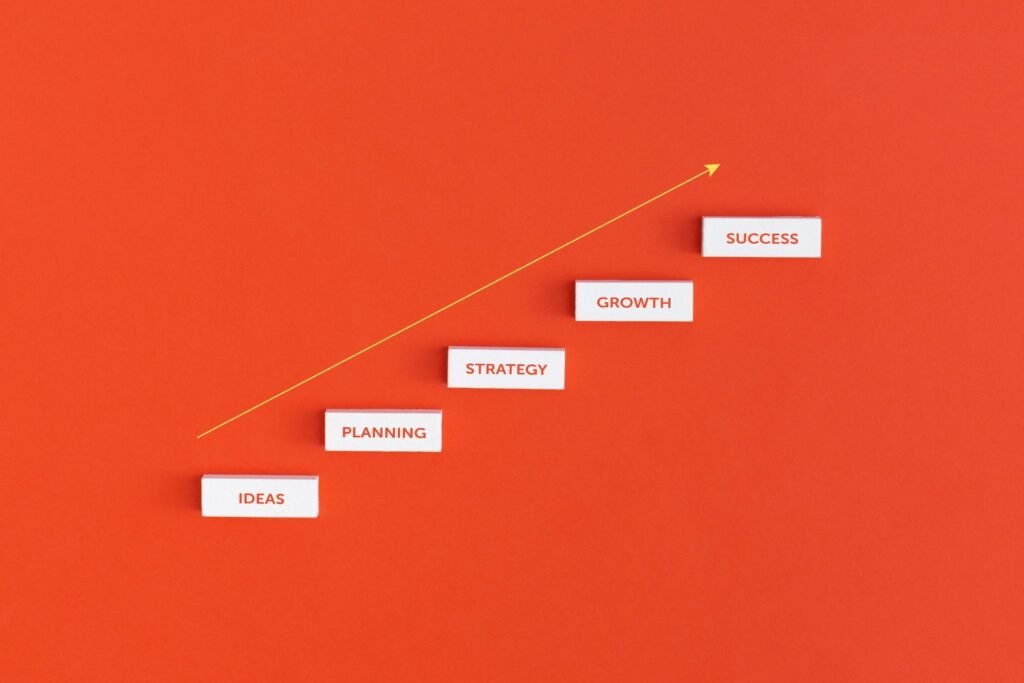
Here’s a rough timeline for a mid-career change:
Months 1-3: Research and exploration phase. You’re learning about options, talking to people, taking courses, clarifying goals.
Months 4-6: Skill-building and qualification phase (if needed). You might be taking courses, earning certificates, or building a portfolio.
Months 7-9: Active job search begins. You’re applying, networking heavily, doing interviews, possibly still in your old role.
Months 10-12: Hopefully landing something, though it might be contract work or a stepping-stone role rather than your dream position.
But listen—this timeline assumes you’re working full-time while transitioning. If you can take a career break (financially privileged, I know), things often move faster. If you need extensive retraining (think moving into nursing or teaching), add time for qualifications.
The transition isn’t linear. You’ll have setbacks. Applications will go nowhere. Interviews won’t materialize. Some months you’ll feel like you’re making progress; other months you’ll wonder why you bothered. This is completely normal. Career change is a marathon with occasional sprint intervals, not a quick dash.
Be patient with yourself, but also maintain momentum. Set weekly goals—three networking conversations, five applications, one new skill learned. Small, consistent action beats occasional bursts of frantic activity.
Are There Specific Steps to Take for a Midlife or Later-in-Life Career Change?
Ah, the “am I too old for this?” question. Short answer: No, you’re not. Longer answer: Yes, there are specific considerations, but age is less of a barrier than you think—and often an advantage.
If you’re contemplating how to change careers at 40 or beyond, you bring things younger workers don’t: experience, emotional maturity, self-knowledge, and often better communication skills. You know how to navigate workplace politics, manage time effectively, and show up professionally. These aren’t small things.
However, you do need to address the age elephant in the room proactively. Don’t hide your age, but do emphasize your energy, adaptability, and current skills. Employers worry that older workers won’t fit in, can’t learn new technology, or won’t stick around. Counter these assumptions with evidence.
Highlight your transferable skills aggressively. You’ve got decades of problem-solving, leadership, and relationship-building. Frame your experience as an asset—you’re not starting from scratch; you’re pivoting with perspective.
Show you’re current. Take courses in emerging areas of your target field. Be active on professional social media. Demonstrate cultural awareness and tech-savviness. You don’t need to pretend you’re 25, but you do need to show you’re engaged with the modern workplace.
Consider a bridge career. Sometimes the jump from your old field to your dream field is too far in one leap. A stepping-stone role or consultancy work can help you build credentials while earning money. Teaching, coaching, or contract work in your new field can provide valuable experience.
Financial planning is crucial. At this life stage, you might have dependents, mortgages, or retirement concerns. Crunch the numbers hard. Can you take a salary cut? For how long? What’s your pension situation? It’s not sexy, but it’s necessary.
And look—if you’re making a midlife career change, you’re likely doing it for quality of life, not just money. That’s beautiful. Honor that motivation even when things get difficult.
What Are the Most Common Mistakes to Avoid During a Career Transition?
Let me save you some pain by highlighting the mistakes I’ve seen (and made) repeatedly:
Mistake #1: Making impulsive decisions. I get it—when you’re miserable in your current job, the urge to burn it all down is strong. Resist. Plan your exit. Save money. Research properly. Dramatic resignations might feel satisfying for about 10 minutes, then reality kicks in.
Mistake #2: Underselling yourself. Women especially tend to downplay their experience when changing fields. You don’t need to apologize for your career path or frame yourself as a beginner. You’re a professional with valuable experience making a strategic pivot. Own it.
Mistake #3: Trying to change everything at once. New career, new city, new relationship status—slow down. Change is exhausting. If possible, keep some parts of your life stable while you navigate the career shift.
Mistake #4: Ignoring the emotional toll. Career changes affect your identity, confidence, and mental health. They’re stressful. Factor in time for self-care, therapy if needed, and recovery. You can’t push through this on pure willpower.
Mistake #5: Going it alone. The lone wolf approach rarely works. You need support, advice, and connections. Ask for help. Join communities. Find mentors. Humans are social creatures; career change shouldn’t be a solitary endeavor.
Mistake #6: Giving up too soon. Rejection is part of the process. The first five, ten, maybe twenty applications might go nowhere. That doesn’t mean you’re unemployable; it means you’re in transition, and transitions are awkward. Persistence matters more than perfection.
Mistake #7: Neglecting salary negotiation after career change. Just because you’re new to the field doesn’t mean you can’t negotiate. Research salary ranges. Know your worth. Practice your negotiation script. Starting salary affects your earning trajectory for years.
Your Action Plan: Making This Real

Right, we’ve covered a lot. Your head’s probably spinning. Let me distill this into something actionable:
This week:
- Have one honest conversation with yourself about why you want to change careers
- Research three potential career paths that interest you
- Update your LinkedIn headline to reflect where you’re heading
This month:
- Reach out to five people in your target field for informational interviews
- Take one online course or attend one industry event
- Start a career change fund if you haven’t already
Next three months:
- Complete a skills audit and identify your transferable strengths
- Revamp your CV for your new direction
- Apply for 10-15 positions or freelance opportunities in your new field
Ongoing:
- Network consistently—one new connection per week
- Keep learning through courses, books, and podcasts
- Track your applications and follow up professionally
- Celebrate small wins because they matter
Look, I’m not going to lie to you. Changing careers is hard. It’s uncomfortable. There will be moments when you question everything and wonder if you should just stay put. But here’s what I know: every woman I’ve met who successfully changed careers—including those who stumbled, restarted, or took the scenic route—says the same thing. “I wish I’d done it sooner.”
You don’t need permission to want something different. You don’t need to have it all figured out before you start. You just need to take the first step, then the next one, then the one after that. The path reveals itself as you walk it.
So, what’s your first step going to be?