

Picture this: You’re at a dinner party, and someone asks that inevitable question – “So, tell me about yourself.” Simple enough, right? But as you open your mouth to respond, you realise something fascinating. Nearly everything you’re about to say – your values, your humour, even the way you gesture – has been quietly sculpted by the cultural tapestry you’ve grown up in.
I’ve always found it remarkable how culture affects personal identity in ways we barely notice. It’s like having an invisible artist constantly painting the canvas of who we are, using colours we didn’t even know existed. Today, let’s pull back the curtain on this beautiful, complex process and explore five profound ways culture influences your personal identity.
What Exactly Is Cultural Identity, Anyway?
Before we dive deep, let’s get our bearings straight. Cultural identity isn’t just about where you were born or what passport you carry. It’s the intricate blend of beliefs, customs, traditions, and values that shape how you see yourself and interact with the world.
Think of it as your internal compass – one that’s been calibrated by generations of stories, rituals, and shared experiences. It’s different from your personal identity (which includes your individual quirks, dreams, and experiences) yet deeply intertwined with it. Like threads in a tapestry, they’re distinct but inseparable.
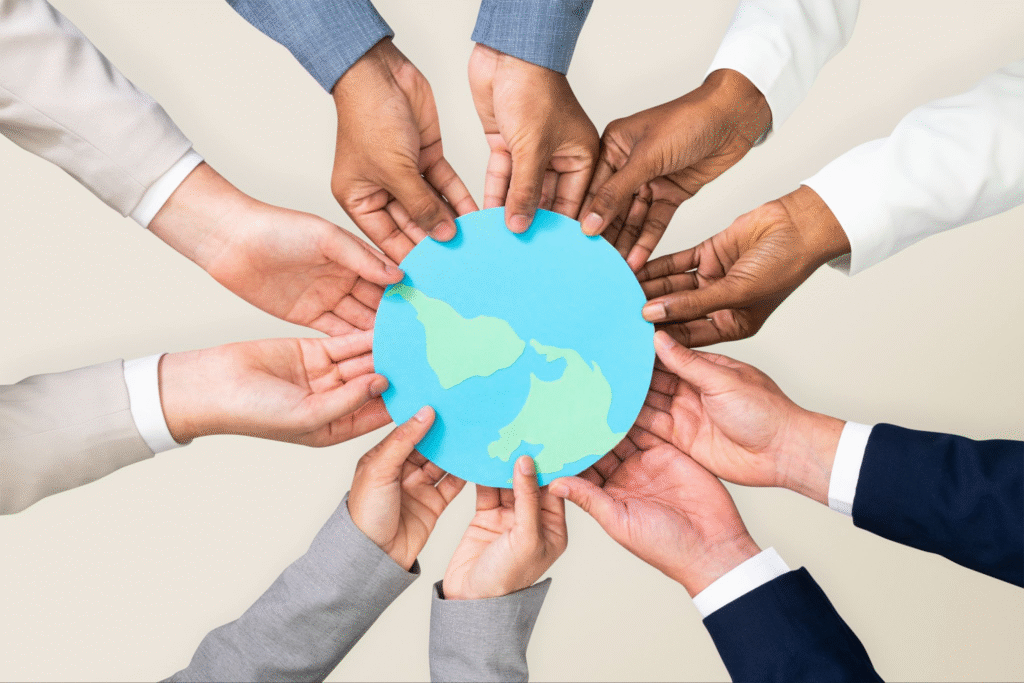
1. Language: The Secret Architect of Your Thoughts
Here’s something that’ll blow your mind: the language you speak actually rewires how you think. I’m not being dramatic – science backs this up.
When you grow up bilingual, you’re not just switching between words; you’re literally switching between different ways of processing the world. Spanish speakers often describe bridges as feminine (la puente), while German speakers see them as masculine (die Brücke). This isn’t just grammar – it’s a fundamental difference in how cultures conceptualise objects and relationships.
Examples of Cultural Influence on Identity Through Language:
- Emotional expression: Some cultures have dozens of words for love, while others focus on duty and respect
- Time perception: Linear time vs. cyclical time concepts shape how you plan and reflect
- Social hierarchy: Formal vs. informal address systems influence relationship dynamics
I remember chatting with my Japanese friend Yuki, who mentioned she feels like a completely different person when speaking English. “In Japanese, I’m more reserved, more conscious of harmony,” she explained. “In English, I’m bolder, more direct.” That’s not code-switching – that’s culture literally reshaping identity through language.
2. Family Values and Community Beliefs: Your Identity’s Foundation
Your family values and identity formation work like architectural blueprints. They don’t just influence what you believe – they shape how you form beliefs in the first place.
Growing up in a collectivist culture? You’ll likely prioritise group harmony and family honour. Raised in an individualistic society? Personal achievement and self-expression probably feel more natural. Neither is right or wrong – they’re just different cultural algorithms for navigating life.
The Power of Generational Transmission
| Cultural Aspect | Individualistic Influence | Collectivistic Influence |
| Decision Making | Personal choice emphasis | Family consultation priority |
| Success Definition | Individual achievement | Group prosperity |
| Conflict Resolution | Direct confrontation | Harmony preservation |
| Career Choices | Self-fulfillment focus | Family expectations consideration |

Cultural rituals and sense of belonging play a massive role here too. Whether it’s Sunday roasts, Diwali celebrations, or quinceañera parties, these traditions don’t just mark time – they mark identity. They whisper, “This is who we are, and therefore, this is who you are.”
3. Social Norms: The Invisible Rules That Shape Your Behaviour
Ever notice how you automatically adjust your volume in different spaces? That’s social norms at work – the unwritten rules that govern everything from personal space to eye contact.
Social norms and personal development create what I like to call your “cultural autopilot.” In some cultures, showing up 30 minutes late is perfectly acceptable (hello, “island time”!), while in others, punctuality is sacred. These aren’t just etiquette differences – they reflect deeper values about respect, time, and relationships.
How Social Norms Shape Identity:
- Communication styles: Direct vs. indirect, high-context vs. low-context
- Personal boundaries: Physical proximity, emotional sharing, privacy expectations
- Authority relationships: Hierarchical vs. egalitarian interactions
- Gender expressions: Acceptable behaviours, career paths, family roles
I once worked with someone from a culture where disagreeing with seniors is considered disrespectful. In meetings, she’d nod along but later share brilliant insights privately. Understanding this helped me create space for her contributions while respecting her cultural comfort zone.
4. Traditions and Rituals: The Stories That Define You
Here’s where things get beautifully complex: traditions in personal identity aren’t just about doing things the way they’ve always been done. They’re about carrying forward the stories, wisdom, and connections that define your cultural tribe.
Think about your favourite family tradition. Maybe it’s making pierogi every Christmas, celebrating Eid with elaborate feasts, or the annual camping trip. These moments do more than create memories – they create identity anchors. They say, “This is where you belong, this is what matters, this is who you are.”
The Psychology Behind Cultural Rituals
Cultural traditions impact sense of self by providing:
- Continuity: Connecting you to past and future generations
- Meaning: Creating significance in everyday activities
- Identity markers: Distinguishing your tribe from others
- Emotional regulation: Providing comfort and predictability
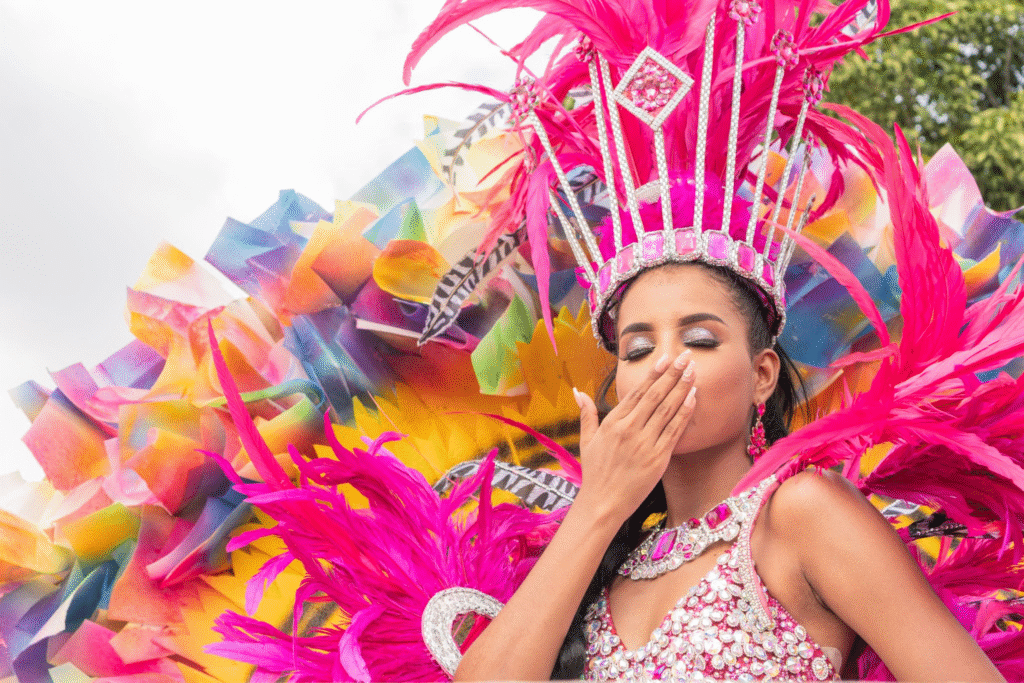
But here’s the twist – sometimes navigating tradition becomes a balancing act, especially for those juggling multiculturalism and personal development. You might love your grandmother’s stories but question some of the values they carry. That tension? It’s not a bug; it’s a feature. It’s how cultures evolve and how your identity becomes uniquely yours.
5. Worldview and Values: The Lens Through Which You See Everything
This is perhaps the most profound way culture impacts worldview: it provides the fundamental assumptions you use to make sense of reality.
Some cultures see the world as fundamentally fair (just-world hypothesis), while others expect life to be inherently challenging. Some emphasise individual responsibility; others focus on systemic factors. These aren’t just philosophical differences – they’re practical frameworks that influence everything from career choices to relationship dynamics.
Cultural Values That Shape Identity:
Achievement vs. Relationship Orientation
- Task-focused cultures prioritise efficiency and results
- Relationship-focused cultures emphasise harmony and connection
Uncertainty Tolerance
- Some cultures thrive on ambiguity and change
- Others prefer structure and predictability
Time Orientation
- Past-oriented: Tradition and heritage focus
- Present-oriented: Immediate experience emphasis
- Future-oriented: Planning and goal-setting priority
I find it fascinating how culture and self-esteem psychology intersect here. If your culture celebrates quiet contemplation, you might feel confident in reflective spaces but anxious in high-energy social situations. If your culture values expressive communication, you might thrive in debates but feel uncomfortable with silence.
Navigating the Beautiful Complexity of Multiple Cultural Identities
Now, let’s address the elephant in the room: Can belonging to multiple cultures create identity conflicts?
Absolutely. And that’s completely normal.
In our increasingly connected world, many of us carry multiple cultural influences. You might be British-Pakistani, navigating between family traditions and workplace cultures. Or perhaps you’re a digital nomad, constantly adapting to new cultural contexts while maintaining your core identity.
The Multicultural Identity Experience
Effects of acculturation on identity can include:
- Identity flexibility: Adapting behaviour to different cultural contexts
- Enhanced empathy: Understanding multiple perspectives naturally
- Creative problem-solving: Drawing from diverse cultural toolkits
- Occasional identity fatigue: Feeling exhausted from constant cultural translation
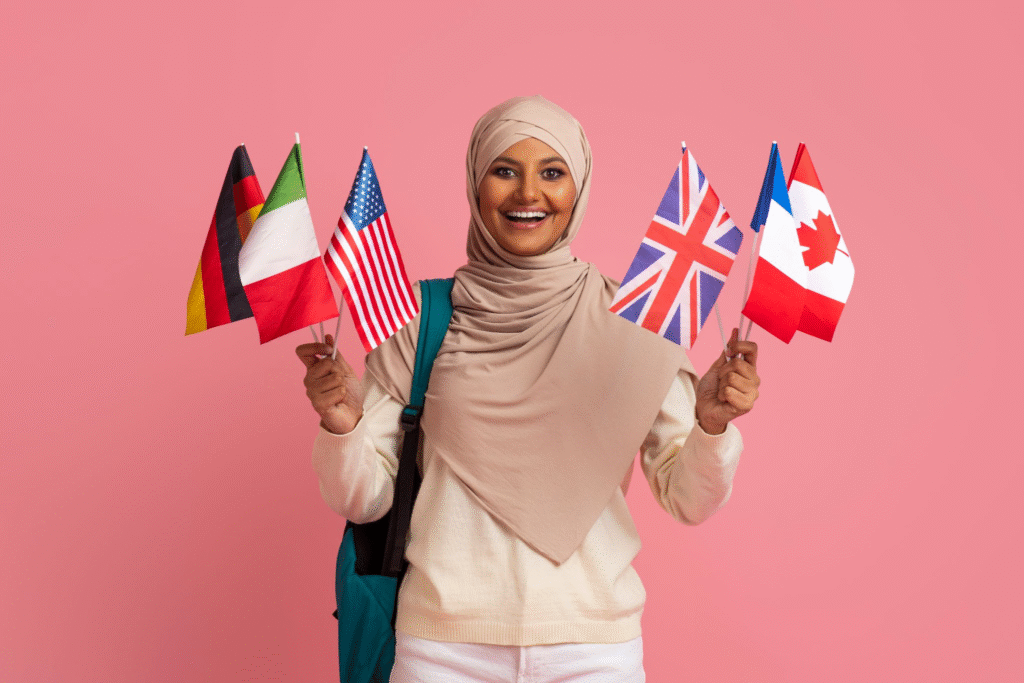
The key isn’t choosing one culture over another – it’s learning to navigate identity in different cultures with grace and authenticity. You’re not confused or lacking; you’re culturally multilingual.
The Digital Revolution: How Online Communities Shape Modern Identity
Here’s something our grandparents never had to consider: Does digital culture affect personal identity in today’s society?
The answer is a resounding yes. Online communities and digital identity have created entirely new cultural spaces where identity formation happens. You might find your tribe in a Reddit community, discover new aspects of yourself through TikTok creators, or maintain cultural connections through WhatsApp family groups.
Digital culture operates by different rules than traditional culture, often prioritising:
- Authenticity over conformity
- Global connections over local communities
- Interest-based tribes over geography-based ones
- Rapid cultural evolution over traditional stability
This isn’t replacing traditional cultural influences – it’s adding new layers to an already complex identity formation process.
The Mental Health Connection: When Culture and Identity Collide
Let’s talk about something crucial: How can cultural pride or stigma impact mental health and identity?
Cultural identity can be both a source of strength and stress. When your cultural background is celebrated and valued, it boosts confidence and provides a sense of belonging. But when it’s stigmatised or misunderstood, it can create internal conflict and affect self-esteem.
Protecting Your Mental Health in Cultural Navigation
- Embrace your complexity: You don’t have to choose between cultural influences
- Seek understanding communities: Find people who celebrate your multicultural identity
- Practice cultural self-compassion: Be patient with yourself as you navigate different expectations
- Consider professional support: Culturally competent therapists can help process identity challenges
Your Cultural Identity Toolkit: Questions for Self-Reflection
Ready to explore your own cultural influences? Here are some questions to get you started:
- What values did your family prioritise that still influence your decisions today?
- How do you behave differently in various cultural contexts?
- Which traditions feel essential to your identity, and which feel optional?
- What aspects of digital culture have influenced how you see yourself?
- How has your cultural identity evolved as you’ve grown older?
Embracing Your Cultural Constellation
Here’s the beautiful truth: your identity isn’t a single star – it’s an entire constellation. Each cultural influence adds another point of light, creating a pattern that’s uniquely yours.
Culture influences personal identity not like a heavy chain, but like a flowing river – sometimes gentle, sometimes rushing, always shaping the landscape it touches. You’re both the riverbank being carved and the water doing the carving.
As we navigate our increasingly connected yet culturally diverse world, understanding these influences becomes crucial. Not to limit ourselves, but to celebrate the rich tapestry of experiences that make us who we are.
Your cultural identity is your superpower – it gives you multiple lenses through which to view the world, diverse problem-solving approaches, and the ability to connect with people across different backgrounds. Whether you’re juggling British politeness with Caribbean warmth, or balancing traditional values with modern aspirations, you’re not torn between cultures – you’re enriched by them.
What’s Your Next Cultural Discovery?
I’d love to hear about your own cultural identity journey. What unexpected ways have you noticed culture influencing your personal identity? Have you experienced the beautiful complexity of multicultural identity?
Share your story in the comments below – because every cultural experience adds to our collective understanding of this fascinating aspect of human identity. After all, we’re all walking, talking examples of how culture shapes who we become.
And remember: your cultural identity isn’t a box you’re trapped in – it’s a foundation you can build upon, celebrating both where you come from and where you’re choosing to go.
Enjoyed this exploration of cultural identity? Subscribe to our newsletter for more insights into the fascinating intersection of culture, psychology, and personal development. Your identity journey is unique – let’s navigate it together.